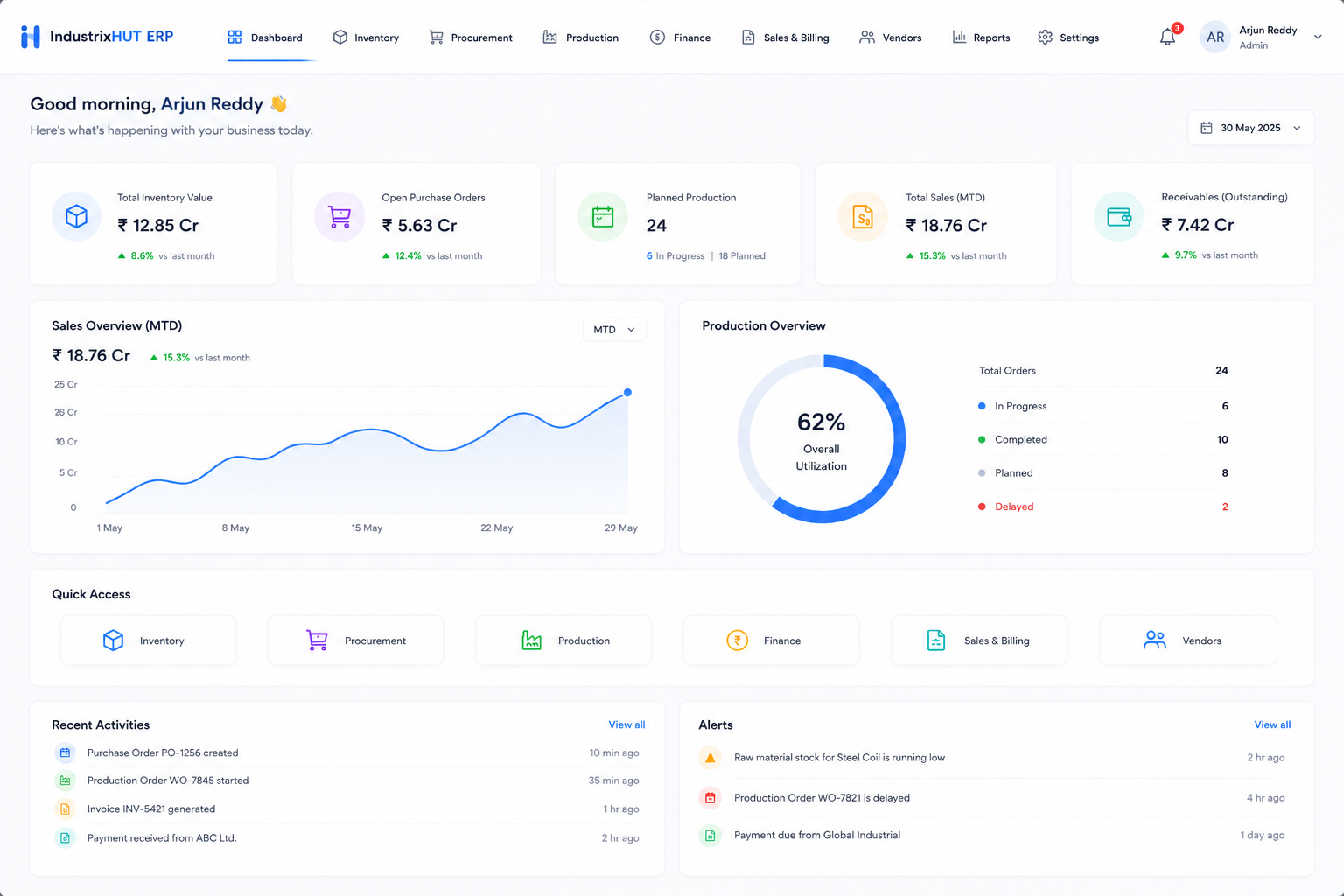
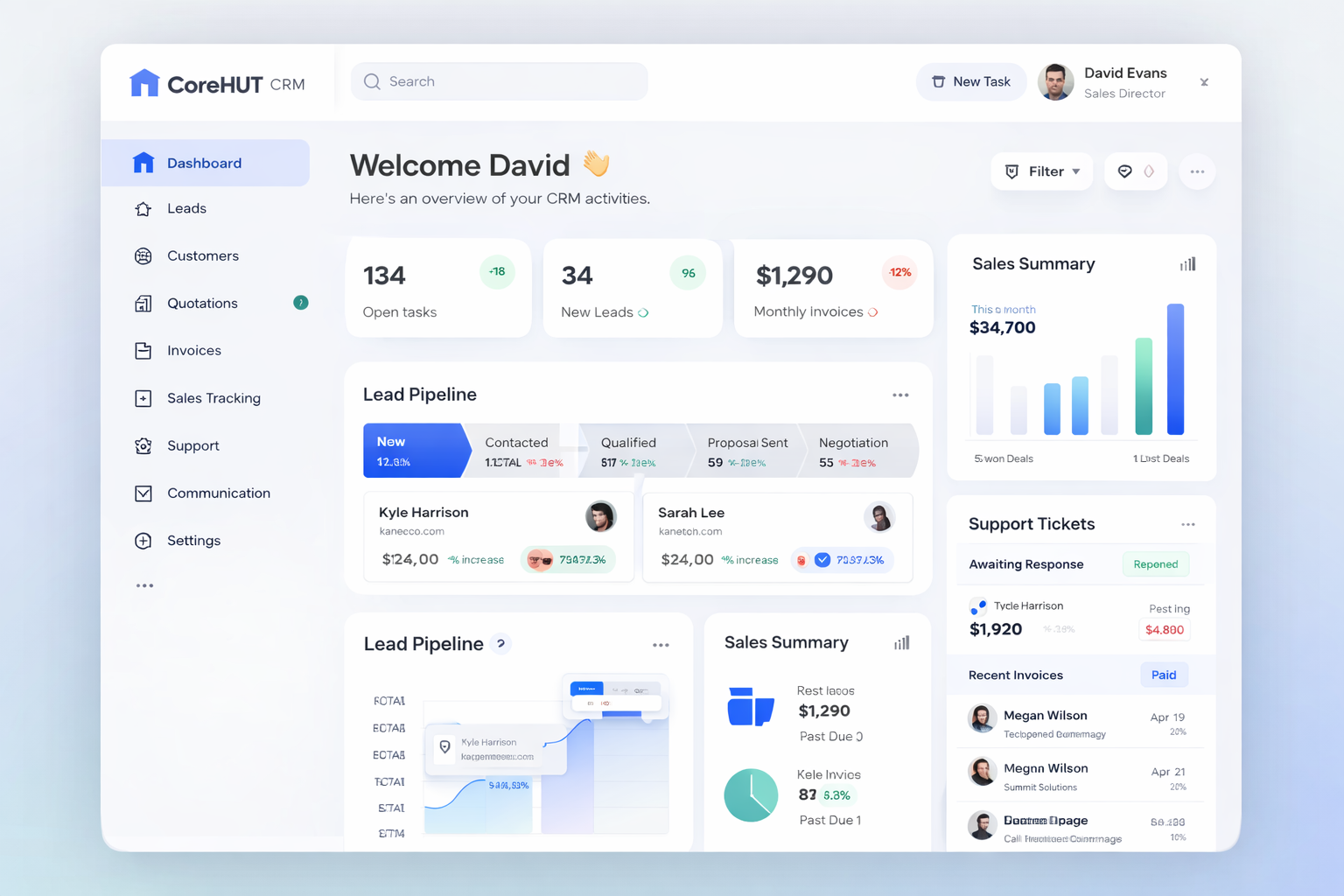
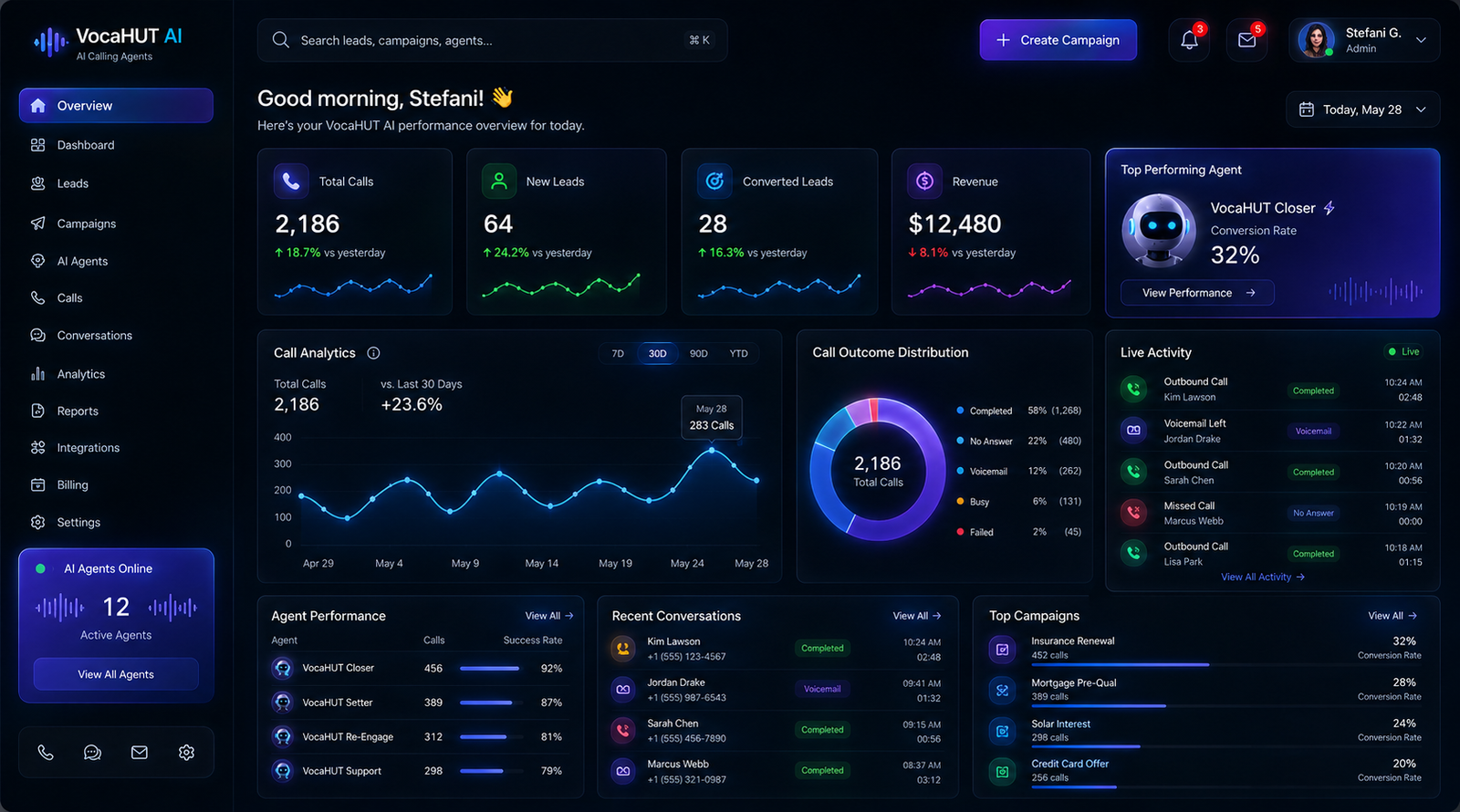
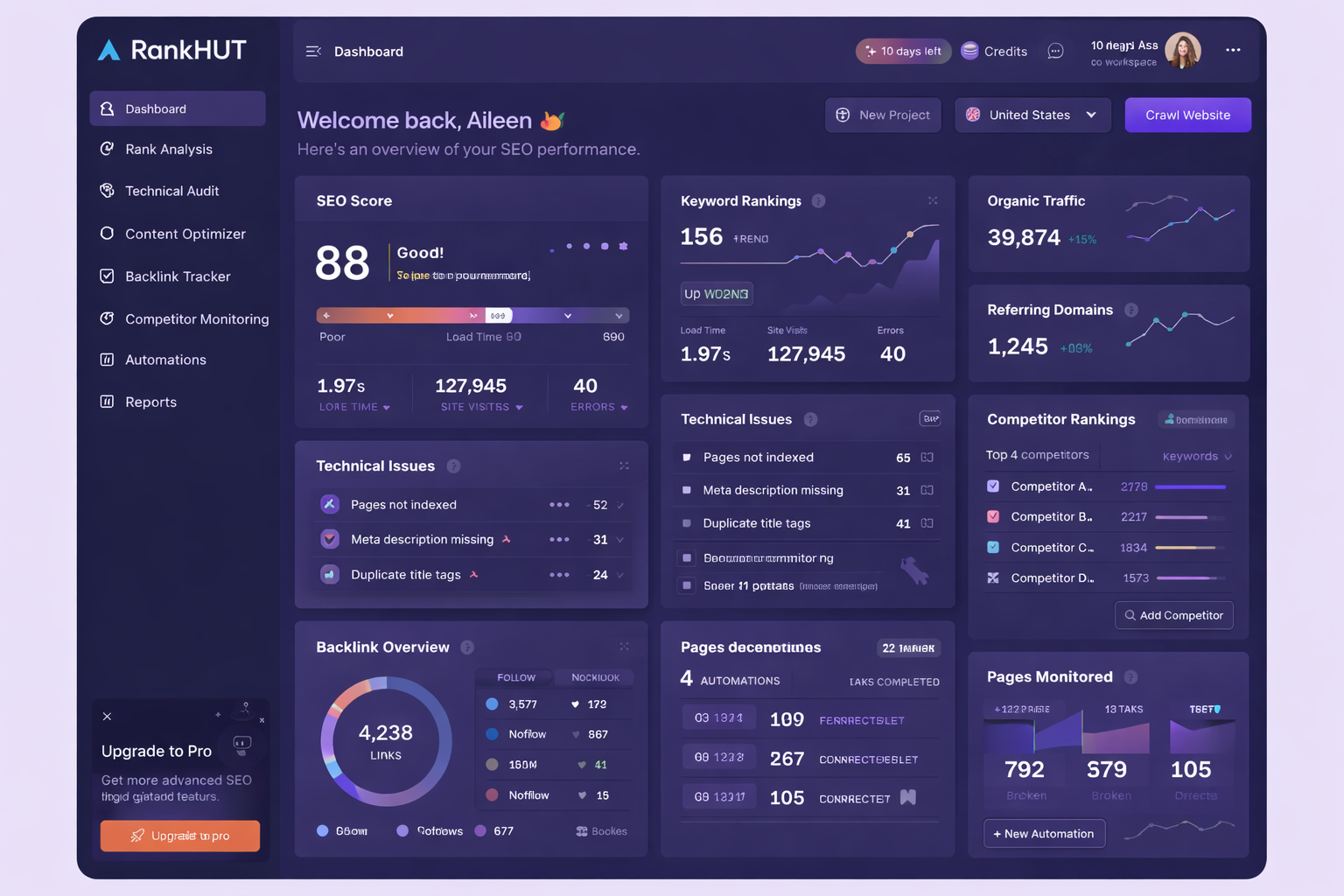

YOUR SYSTEMS SHOULD WORK TOGETHER.
RIGHT NOW, MOST OF THEM DON''T.
Most businesses don't have a software problem — they have an integration problem. The tools exist. The data exists. But it lives in separate systems that don't communicate, which means your team spends its day doing what software should be doing: copying data between platforms, reconciling reports that don't match, and manually triggering processes that should run automatically.
Disconnected systems are one of the most expensive invisible costs in modern business operations. The damage doesn't show up on a single line of a P&L — it's distributed across every department that spends time compensating for tools that don't talk to each other.
A sale closes in your CRM. Someone manually updates your ERP. A finance team member exports that into a spreadsheet to reconcile against an accounting platform. A logistics team manually triggers a fulfillment workflow. Each step adds time, adds error risk, and adds a person who could be doing something more valuable.
API and system integration eliminates those gaps permanently.
At IT WEBHUT, we engineer the connections between your business systems so that data moves automatically, accurately, and in real time — across your entire technology stack. Whether we're connecting two platforms or orchestrating twelve, the result is the same: a unified business operation where information flows to the right system at the right moment without anyone having to push it there manually.
We work with your existing platforms — we don't ask you to replace infrastructure to make integration possible. And when a platform doesn't have an available API, we build the bridge.
Key Business Benefits
- One Source of Truth Across Your BusinessWhen every system reads from and writes to the same data layer, your CRM, ERP, and finance platform all agree — without reconciliation cycles, manual exports, or end-of-day syncs.
- Eliminate Manual Data Entry PermanentlyEvery field your team fills in manually is a field that could be populated automatically. Integration removes the task at the source — not just for one workflow, but for every workflow that depends on that data.
- Real-Time Operational VisibilityIntegrated systems surface live data — not last night's export. Leaders see current inventory, current pipeline, and current financial position without waiting for a weekly report to compile.
- Faster Process Execution Across DepartmentsWhen a trigger in one system automatically initiates an action in another, multi-day handoffs compress into minutes. Approval cycles, fulfillment triggers, invoicing, and customer notifications all run faster.
- Reduced Technology DebtBuilding point-to-point workarounds between systems creates technical debt that compounds every time a platform updates. A well-architected integration layer absorbs change without breaking.
- Scale Without Operational ComplexityAs your business adds markets, products, or volume, integrated systems absorb that growth without requiring proportional increases in operational staff.
Why Businesses Choose IT WEBHUT
- We Understand Both Sides of Every IntegrationWe've built the ERP, CRM, HRMS, and document management systems on one side of these integrations — which means we understand what's happening inside the platforms we're connecting, not just at the API surface.
- We Design for Resilience, Not Just ConnectivityAn integration that fails silently is worse than no integration at all. Every connection we build includes error handling, retry logic, alerting, and fallback behavior.
- No Vendor Lock-InWe build integration architectures you own and can maintain — without requiring you to adopt a specific middleware platform unless it genuinely serves your requirements.
- We Manage Complexity Without Adding ItWe document every integration fully and design the architecture so changes in one system don't cascade unexpectedly into others.
Industries That Benefit
| Industry | Primary Use Cases |
|---|---|
| Retail & E-Commerce | Storefront to ERP sync, payment gateway integration, logistics API connections, real-time inventory updates |
| Financial Services | Banking API integration, payment processing, compliance data feeds, accounting platform sync |
| Manufacturing & Distribution | ERP to supplier portals, production data to finance systems, logistics platform integration |
| Healthcare | EMR system integration, insurance claims processing, lab data feeds, patient portal connections |
| Logistics & Supply Chain | Carrier API integration, warehouse management sync, shipment tracking, customs data feeds |
| Government & Public Sector | Inter-agency data exchange, citizen portal integration, regulatory reporting feeds |
| SaaS Businesses | Partner API ecosystems, marketplace integrations, billing system sync, usage metering |
Technologies
API Standards: REST · GraphQL · SOAP · gRPC · Webhooks · WebSockets
Integration Platforms: MuleSoft · AWS API Gateway · Azure API Management · Kong · n8n · Apache Camel
Authentication & Security: OAuth 2.0 · OpenID Connect · JWT · API Keys · HMAC Signing · mTLS
Message Queuing: RabbitMQ · Apache Kafka · AWS SQS/SNS · Azure Service Bus
Data Formats: JSON · XML · CSV · EDI · YAML · Custom transformation pipelines
Monitoring: Datadog · New Relic · AWS CloudWatch · Grafana · Custom webhook monitors
When Do You Need This Service?
- Staff manually re-key data between two or more platforms on a daily or weekly basis.
- A recent acquisition, new vendor, or new payment or logistics platform needs to connect to your core systems.
- Reporting is delayed because data has to be manually reconciled across disconnected tools.
- You're evaluating a new ERP, CRM, or SaaS platform and need confidence it will connect to what you already run.
- Existing integrations are fragile — breaking on updates, silently failing, or requiring manual monitoring.
HOW MANY SYSTEMS ARE YOUR TEAM CONNECTING MANUALLY RIGHT NOW?
List the platforms you're working with. We'll show you what a fully connected, automated data architecture looks like for your specific stack.
We audit your current stack before recommending anything. No integration pitch before we understand what you're working with.
What We Deliver
- API Architecture & Design — RESTful and GraphQL API design built for security, performance, and developer clarity — whether consumed internally or exposed to partners.
- Third-Party Platform Integrations — Connections to payment gateways, logistics platforms, accounting software, marketing tools, communication platforms, and cloud services.
- ERP & CRM Integration — Bi-directional data sync between your core business systems — eliminating duplicate records and misaligned data across departments.
- Custom API Development — When a platform doesn't expose an API you need, we build one — engineered to your specifications and designed for longevity.
- Webhook & Event-Driven Pipelines — Real-time event triggers between systems — so actions in one platform instantly propagate to every system that needs to respond.
- Legacy System Integration — Connecting modern platforms to older infrastructure without requiring a full system replacement — protecting existing investments.
- API Gateway & Management Layer — Centralized control over every API endpoint — with authentication, rate limiting, versioning, monitoring, and access management.
- Data Transformation & Mapping — When systems use different data structures, we build the translation layer that ensures clean, accurate data on both sides of every integration.
- Integration Monitoring & Alerting — Live monitoring of every connection point — with automated alerts when a sync fails, a payload is rejected, or a threshold is breached.
- Integration Documentation — Full technical documentation for every API and integration we build — so your internal team and future vendors can work with confidence.
Our Delivery Process
We map every system in your current technology stack, document how data currently moves between them, identify gaps, duplications, and manual handoffs, and establish what a fully connected architecture would look like.
We design the integration layer — determining the right patterns (event-driven, batch sync, real-time API calls), the right middleware where needed, and the security and authentication model that governs every connection.
We build and configure every integration point — custom APIs, third-party connectors, transformation logic, and the data mapping that ensures clean flow between systems with different schemas.
We test every integration under real conditions — validating data accuracy, testing failure scenarios, simulating load, and confirming behavior at edge cases before any connection goes live.
We deploy integrations in a controlled sequence, activate monitoring and alerting on every connection point, and confirm data is flowing correctly before signing off.
Platforms update. APIs version. Business requirements change. We monitor your integration layer and manage changes proactively — so a third-party platform update doesn't silently break a business-critical workflow.
Enterprise FAQs
In most cases, yes — through database-level integration, file-based exchange, or middleware, depending on what the legacy system supports. We assess this during discovery before quoting the work.
We design a data mapping and transformation layer that reconciles differences in format, structure, and business logic — rather than forcing one system to conform to another.
Integrations are monitored, and we maintain them proactively rather than waiting for a failure to be reported by your team.
Both, depending on the use case. Real-time is used where operational decisions depend on current data; scheduled syncs are used where near-real-time is sufficient and reduces system load.
Yes — encryption, authentication, and access control are engineered into every integration point, with full audit logging.
Integration is designed to protect your existing infrastructure investment, not replace it. We've connected Industrix ERP, Nexora CRM, and third-party platforms across manufacturing, finance, and logistics environments.