
YOUR SOFTWARE IDEA.
ENGINEERED INTO A PRODUCT
THAT SCALES.
There's a meaningful difference between software that works and software that works as a business. A SaaS product has to perform technically — handling concurrent users, protecting multi-tenant data, recovering from failures — while also performing commercially: converting trials to subscriptions, retaining customers month over month, and scaling its infrastructure costs slower than its revenue grows. Both dimensions need to be engineered in from the beginning.
Most SaaS products fail not because the idea was wrong, but because the foundation was wrong. They're built for the early customers — fast, pragmatic, and deliberately under-engineered — and then rebuilt from scratch when growth arrives because the original architecture can't handle multi-tenancy at scale, the billing system can't support enterprise pricing tiers, or the API isn't robust enough for the integrations enterprise customers require before signing.
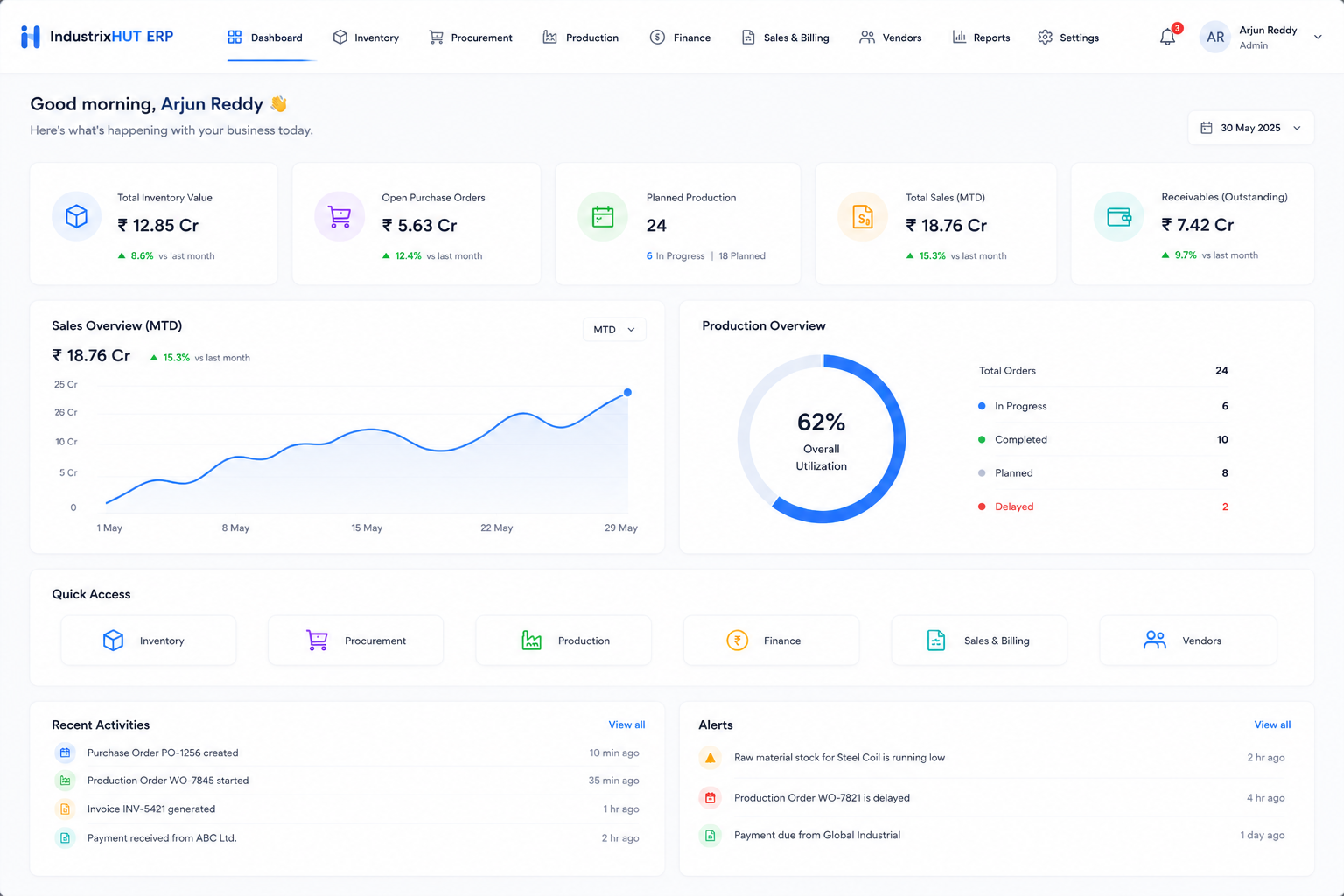
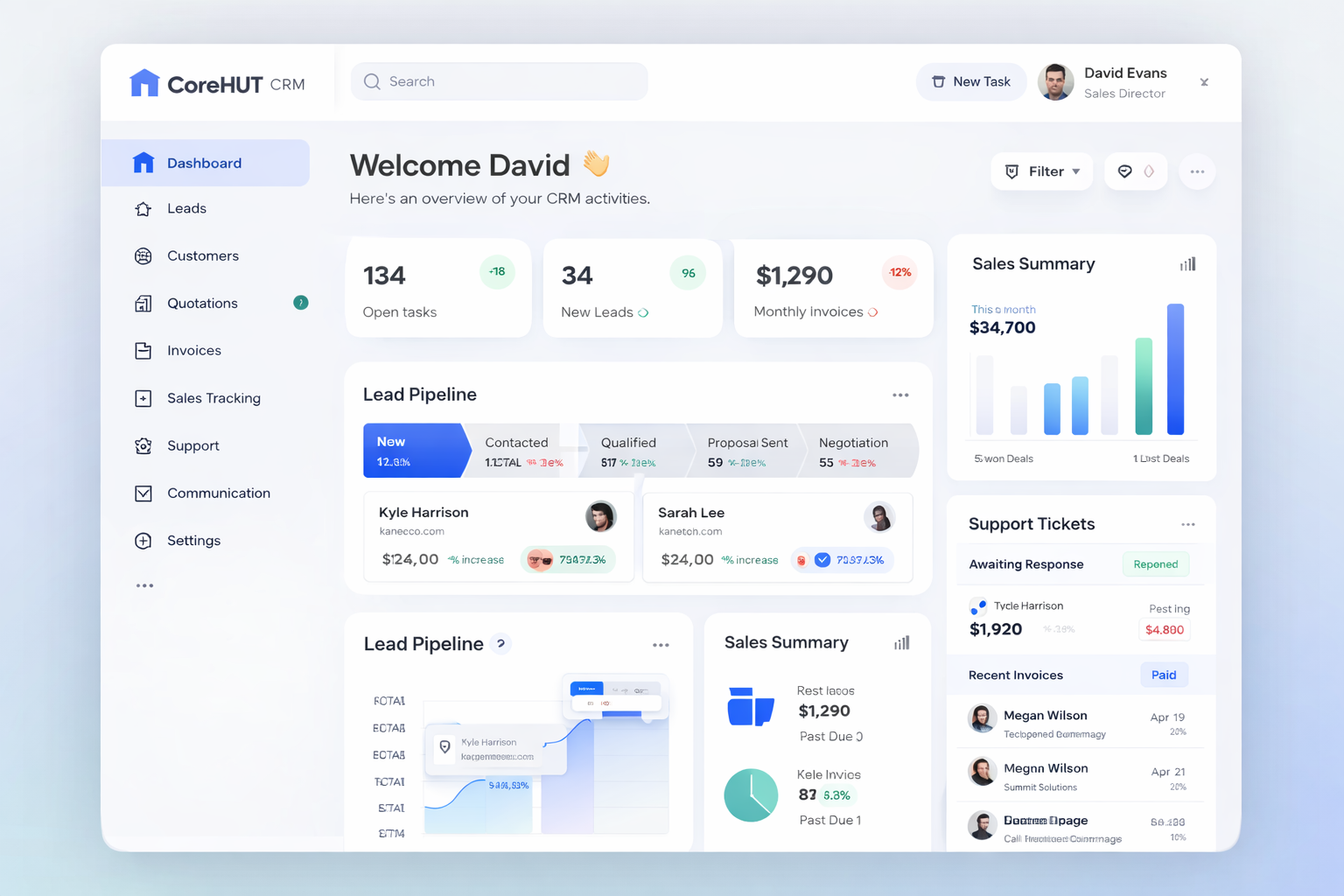
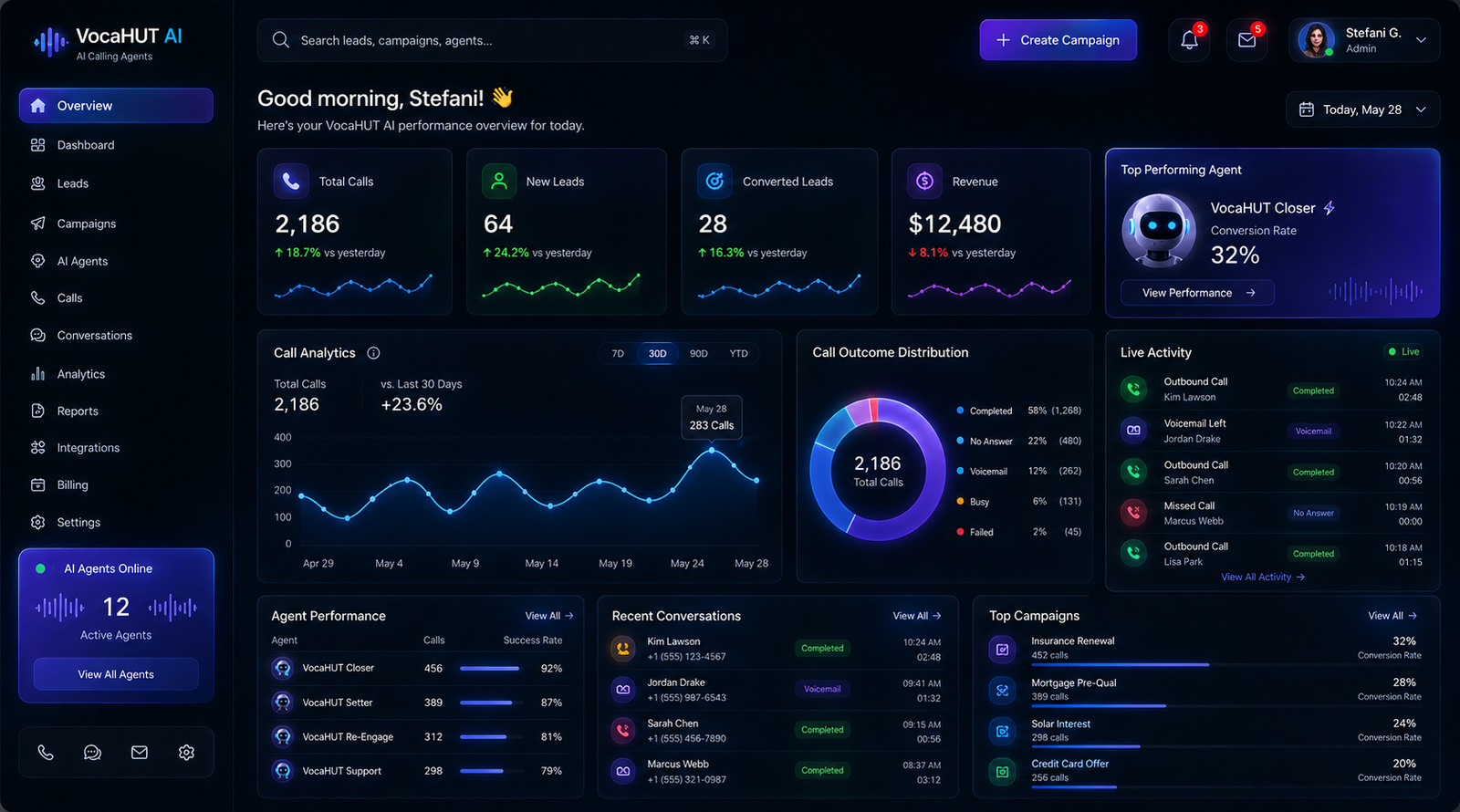
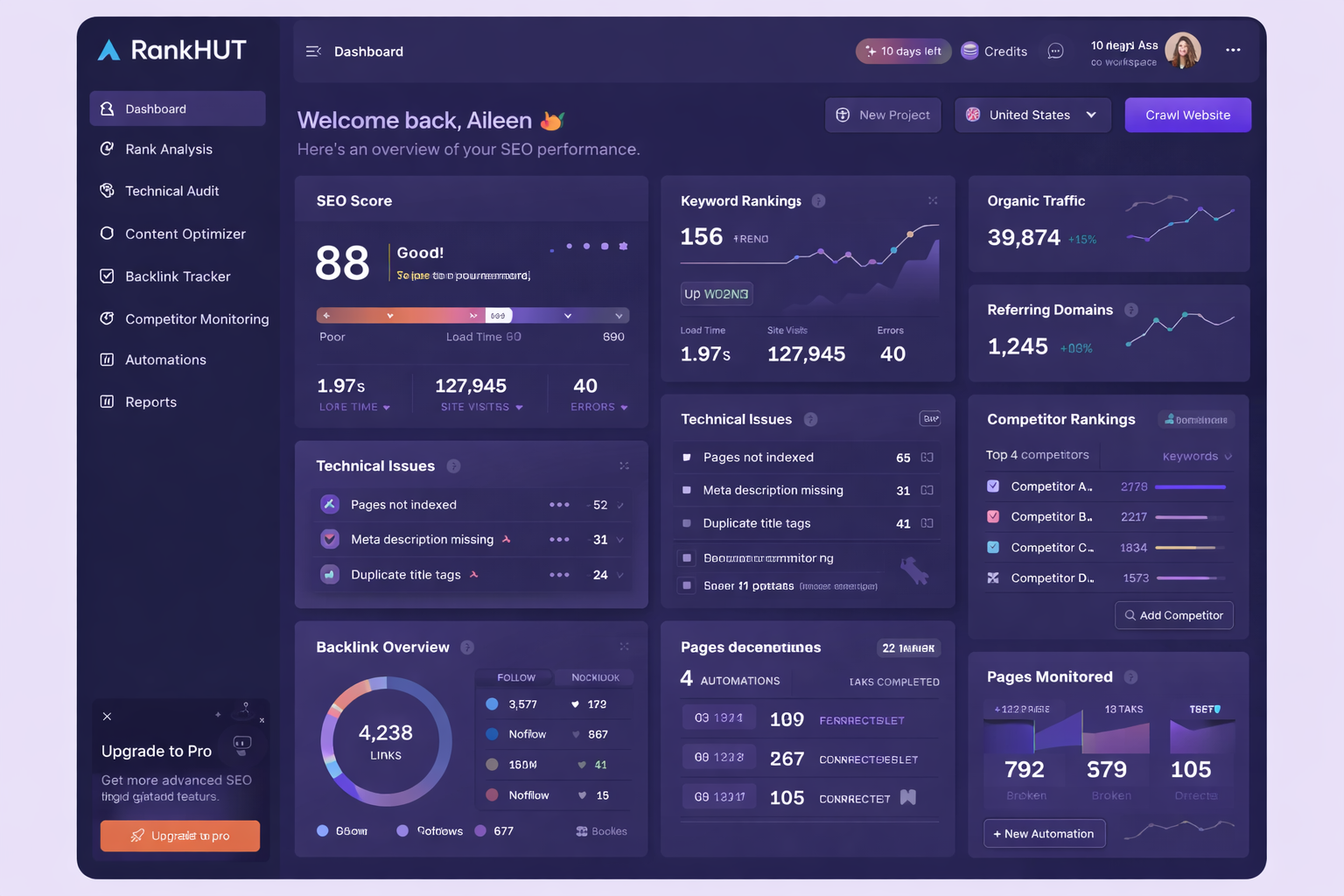
At IT WEBHUT, we engineer SaaS products with the commercial arc in mind from day one. That means multi-tenant architecture designed before the first line of code — not retrofitted when your second customer joins. It means usage-based billing infrastructure built to support every pricing model you might need as your market understanding evolves. It means an API-first architecture that makes your product integrable, extendable, and partner-ready — not a closed system that can't connect to the tools your customers already use.
We've built and deployed our own SaaS products — HR Workify, Nexora CRM, Docvoult, TestGenie, and others — which means we've made every commercial and architectural SaaS decision at a product level, not just as an advisory exercise. We know what it costs to retrofit multi-tenancy. We know what happens to retention when onboarding is poorly designed. We bring that experience to every SaaS engagement we take on.
Whether you're building a new SaaS product from scratch, rebuilding a system that has outgrown its original architecture, or adding SaaS infrastructure to an existing software product, we engineer it to be commercially scalable from the first customer to the ten-thousandth.
Key Business Benefits
- Multi-Tenant Architecture From Day OneOne codebase serving many customers securely — each with their own data isolation, configuration, and permissions. Retrofitting multi-tenancy is expensive and risky. Building it correctly from the start is not.
- Revenue Infrastructure That Evolves With Your Business ModelSubscription management, usage metering, trial-to-paid conversion, enterprise seat licensing, and annual billing — all manageable from a billing engine built for the complexity of SaaS pricing, not a generic payment gateway.
- Infrastructure Costs That Scale More Slowly Than RevenueCloud architecture designed for SaaS workloads scales compute and storage in line with actual usage — not in large, expensive increments that erode margins as you grow.
- An API That Makes Your Product Enterprise-ReadyEnterprise customers require integrations, single sign-on, audit logs, and admin controls. Building these into your API architecture early makes enterprise sales possible — not something you build under deadline after closing your first big deal.
- Onboarding Architecture That Drives ConversionActivation — getting users from signup to the moment they experience value — is where most SaaS products lose customers they've already acquired. We design and engineer the onboarding flow with conversion rates, not just UX elegance, in mind.
- Performance That Builds Customer TrustFast load times, high availability, and reliable uptime aren't just technical standards — they're commercial ones. SaaS customers make renewal decisions based on whether the product is there when they need it.
- Data and Analytics That Inform Product DecisionsUsage analytics, feature adoption rates, customer health scores, and cohort retention data — built into the product architecture so you're making roadmap decisions based on what your customers actually do, not what they say they want.
Why Businesses Choose IT WEBHUT
- We've Shipped Our Own SaaS ProductsHR Workify, Nexora CRM, Docvoult, TestGenie, and others — built, launched, and operated by our team. Every decision we make on your SaaS product has already been tested in ours.
- We Think in Business Models, Not Just FeaturesSaaS product success depends on pricing architecture, activation rates, and retention metrics — not just feature count. We bring commercial thinking to every product decision.
- We Build for Scale From the StartThe most expensive engineering decisions in SaaS are the ones made in the first three months without considering what the product needs to look like in month thirty-six. We make the right decisions early — so you're not paying to rebuild them later.
- Full-Stack AccountabilityFrontend, backend, infrastructure, billing, analytics, and API — one team owns the entire product. No handoffs between vendors. No gaps in accountability.
Industries That Benefit
| Industry | Primary Use Cases |
|---|---|
| HR & Workforce Management | HRMS SaaS, recruitment platforms, performance management tools, workforce scheduling |
| Financial Services & FinTech | Accounting SaaS, invoicing platforms, expense management, financial reporting tools |
| Healthcare & MedTech | Practice management systems, clinical documentation tools, patient engagement platforms |
| Education & EdTech | Learning management systems, student information systems, assessment platforms |
| Retail & E-Commerce | Inventory management SaaS, B2B ordering platforms, loyalty and retention tools |
| Manufacturing & Operations | Production planning tools, quality management SaaS, supply chain visibility platforms |
| Professional Services | Project management SaaS, billing and invoicing tools, client portal platforms |
| Logistics & Supply Chain | Fleet management SaaS, shipment tracking platforms, warehouse management tools |
Technologies
Frontend: React · Next.js · Vue.js · TypeScript · Tailwind CSS
Backend: Node.js · Python (FastAPI/Django) · Laravel · .NET Core
Databases: PostgreSQL · MySQL · MongoDB · Redis · Elasticsearch
Multi-Tenancy: Row-level security · Schema-per-tenant · Database-per-tenant (selected based on scale requirements)
Authentication: Auth0 · Clerk · Supabase Auth · Custom SSO/SAML implementation
Billing: Stripe · Paddle · Chargebee · Custom billing engines
Analytics: Mixpanel · PostHog · Segment · Custom event tracking
Cloud: AWS · Vercel · Railway · GCP · Azure
DevOps: GitHub Actions · Docker · Kubernetes · Terraform · ArgoCD
When Do You Need This Service?
- You have a software idea validated by real demand and need it engineered into a sellable, scalable product.
- Your internal tool has commercial potential and needs to be re-architected for multi-tenant, external customers.
- You're evaluating whether to build a product in-house versus with a partner who has shipped commercial SaaS before.
- Retention or onboarding metrics are underperforming because the product wasn't architected for scale from the start.
- You need multi-tenancy, billing, and usage-based pricing infrastructure that a single-tenant build can't support.
THE ARCHITECTURE YOU CHOOSE TODAY DETERMINES HOW EXPENSIVE GROWTH IS TOMORROW.
Tell us about the product you're building — or rebuilding. We'll design the SaaS architecture that supports your commercial ambitions from the first customer to the ten-thousandth.
We've built and shipped our own SaaS products. We bring that experience to yours.
What We Deliver
- SaaS Architecture Design — Multi-tenant data architecture, API-first system design, infrastructure planning, and security model — designed for scale before a line of code is written.
- Core Product Development — The full-stack SaaS application — frontend, backend, database, and API — built in sprints with working software demonstrated continuously.
- Multi-Tenant Data Infrastructure — Isolated customer data environments built on a shared codebase — with configurable permissions, custom branding, and per-tenant settings management.
- Authentication & Identity Management — SSO integration (SAML, OAuth), multi-factor authentication, user role management, and API key infrastructure — enterprise-ready from day one.
- Subscription & Billing Engine — Stripe, Paddle, or custom billing integration — supporting free trials, subscription tiers, usage-based billing, enterprise contracts, and dunning management.
- Usage Analytics & Customer Health — In-product analytics tracking feature adoption, session data, activation milestones, and customer health scores — feeding your product and commercial teams.
- Admin & Customer Management Portal — Internal tooling for your team to manage customers, subscriptions, permissions, support tickets, and product configuration at scale.
- API Documentation & Developer Experience — Clean, versioned API documentation and developer tooling — critical for product-led growth, integrations, and enterprise customer adoption.
- Performance Engineering & Load Testing — Architecture and load validation designed for concurrent multi-tenant workloads — before you have customers large enough to find the limits for you.
- Ongoing Product Evolution — We build the roadmap features, manage the infrastructure, and evolve the product as your customer base grows and your understanding of the market deepens.
Our Delivery Process
We work with your product and commercial leadership to define the target customer, the core value proposition, the minimum viable feature set, the pricing architecture, and the technical constraints that will shape the build. This is where commercial and engineering thinking need to be in the same conversation.
We design the complete technical architecture: multi-tenant data model, API structure, authentication and authorization layer, billing integration approach, analytics instrumentation plan, and cloud infrastructure design.
We design the core user flows — from landing to onboarding to activation to core feature use — and validate the design with target users before development begins.
Development runs in sprints against a prioritized feature roadmap. An internal beta is deployed early so real feedback shapes iteration priorities before the public launch date becomes a constraint.
We run structured beta testing with real users, load test the multi-tenant infrastructure, complete security review, and validate billing flows end to end before public launch.
We manage the technical aspects of launch — infrastructure scaling, monitoring, deployment — and transition into ongoing product engineering, where sprint cycles continue to advance the roadmap based on real customer data.
Enterprise FAQs
Yes — HR Workify, Nexora CRM, Docvoult, TestGenie, and others are commercially operated products built by this team, not case studies from client work. Every architectural and pricing decision has already been made once, at our own risk.
Data isolation, per-tenant configuration, and infrastructure that scales per customer without a full rebuild per client — a fundamentally different architecture than a single-tenant internal tool.
Usage-based and subscription billing infrastructure — plans, metering, upgrades, dunning — is built in from the architecture phase, not retrofitted after customers start asking for it.
Our scope is the product engineering — architecture, build, and scale. We can advise on product decisions that affect engineering cost, but go-to-market strategy sits outside our delivery scope.
Yes — re-architecture engagements for products that have outgrown their original technical foundation are common work for us.
Typically a phased structure: fixed-scope for MVP or defined releases, transitioning to an ongoing engagement as the product scales and requirements evolve.